


















































.bmp)






















.bmp)
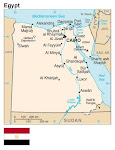
 Cairo-Ibrahim Eissa, an Egyptian editor and columnist whose newspaper, Al Dustour, has become a byword for the kind of journalism that courts controversy and attacks government limits on free speech, doesn't look like a man facing a year in prison.He's smiling and almost jolly in his downtown Cairo office as he attacks the verdict against him-for the crime of defaming President Hosni Mubarak-and predicts he'll lose his appeal."If you make the decision to be an opposition journalist here, you have to have the demeanor to carry yourself through all sorts of situations," he says. "But am I hearing that there's some kind of deal out there to keep me out of jail? No. The regime has given up on me. The regime is panicking and sees anyone that writes the truth about them as dangerous."The jail terms for Mr. Eissa and three other antigovernment journalists are the latest in a cascade of repressive measures by the Egyptian security state in the past year seemingly designed to tighten the government's control as speculation grows over who will succeed President Mubarak.First, the regime went after the secular-leaning Kifaya movement, which was dedicated to replacing President Mubarak, by beating and jailing dozens of its leaders. Then it moved on to the strongest opposition political group, the Muslim Brotherhood, putting hundreds of its activists in jail. Labor organizers and even an antitorture nongovernmental organization have been targeted. And now it appears to be the media's turn."For some time the government has been hardening its position on opposition movements, and the sentences for the journalists are within this context," says Mustapha Kamel al-Said, a professor of political science at Cairo University. "This kind of nervous reaction on the part of the government reflects its anxiety about what comes next."
To read more go to:
As in the days of Noah...

